So you've got one day in Kyoto. Maybe it's a long layover, a day trip from Osaka, or the only free day on a packed Japan itinerary. The pressure's on. Kyoto has over 1600 temples, countless gardens, and a reputation for being sprawling. Trying to see it all in 24 hours is a recipe for exhaustion and disappointment.
But here's the good news: with a smart, efficient plan, you can absolutely capture the essence of Kyoto in one day. The key isn't to see everything—it's to experience the iconic contrasts that define the city: the solemnity of ancient temples, the vibrant energy of vermilion gates, and the quiet charm of historic streets. I've lived in Japan for years and guided countless friends on this exact one-day blitz. This itinerary is the distilled version of what actually works, designed to maximize your time and minimize stress.
Your Quick Kyoto Day Guide
Morning Kickoff at Kiyomizu-dera & Sannenzaka
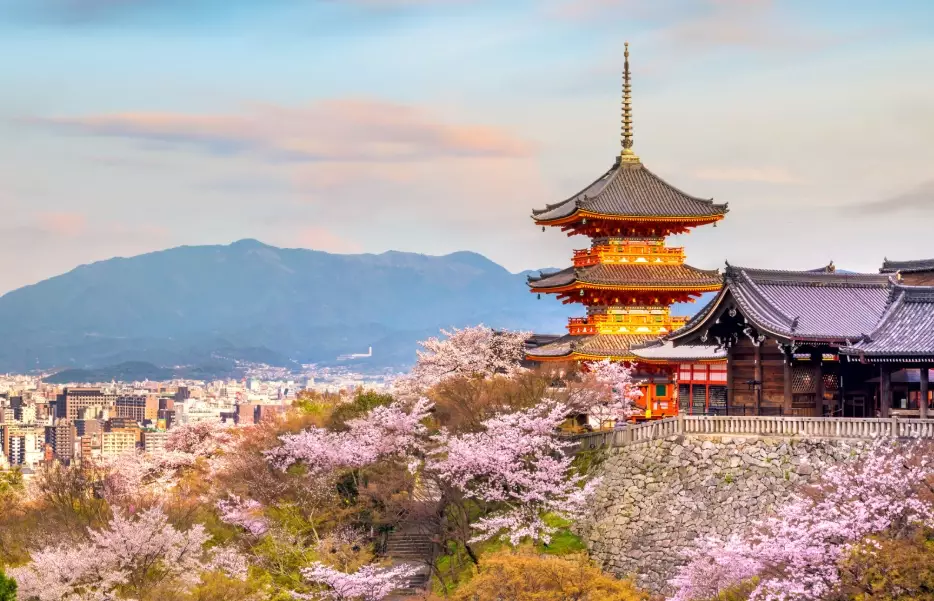
Start early. I mean it. Get to Kiyomizu-dera by 8:30 AM at the latest. This is your single most important move for a good day. By 10 AM, the path up to the temple is a river of people. An early start gives you the temple's famous wooden stage and panoramic view of Kyoto in relative peace.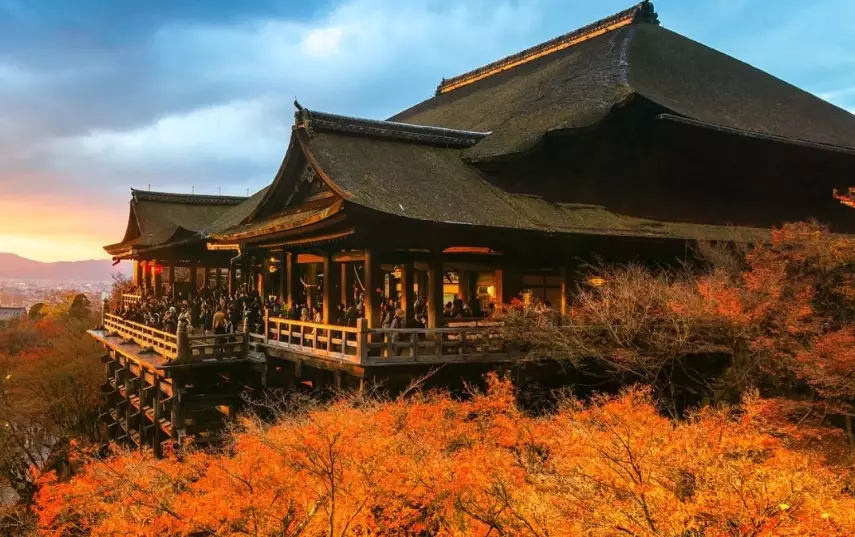
Kiyomizu-dera Essentials:
- Address: 294 Kiyomizu, Higashiyama Ward, Kyoto.
- Hours: 6:00 AM to 6:00 PM (closes earlier in some seasons).
- Admission: 400 yen.
- How to get there: Take Kyoto City Bus #100 or #206 from Kyoto Station. Get off at "Gojo-zaka" or "Kiyomizu-michi" stop. It's a 10-15 minute uphill walk from there.
Don't just rush to the main hall. Take a moment at the Otowa Waterfall. The three streams are said to grant longevity, success in school, and a fortunate love life. You can drink from one (using the provided cups, hygienically), but picking all three is considered greedy. Choose your priority.
After the temple, your exit leads you directly into the heart of Sannenzaka and Ninenzaka slopes. This is not just a tourist street—it's a preserved historic district with strict rules (no littering, no eating while walking is encouraged). The wooden merchant houses now hold shops selling matcha soft serve, Kiyomizu-yaki pottery, and pickles. It's beautiful, but it gets packed. Walk through it now, on your way down, when it's still waking up. The light is perfect for photos of the pagoda poking above the rooftops.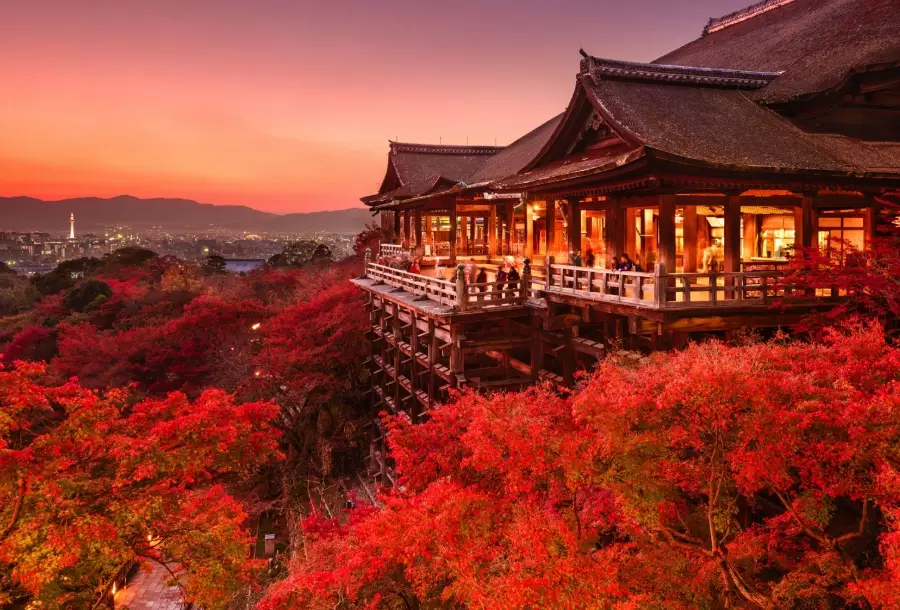
Pro Timing Tip
Spend about 75-90 minutes at Kiyomizu-dera and the surrounding slopes. Your goal is to be heading towards your next destination by 10:00-10:15 AM. This beats the major tour group arrival wave.
A Stroll Down the Philosopher's Path to Ginkaku-ji
From Sannenzaka, you have a choice. You can take a short taxi ride (about 10 minutes, 1000-1200 yen) or board a bus to the start of the Tetsugaku-no-Michi (哲学の道), the Philosopher's Path. This stone path follows a canal lined with hundreds of cherry trees. It's named after philosopher Nishida Kitaro, who meditated here on his daily commute.
Let's be real: outside of late March/early April (cherry blossom season), the path itself is pleasant but not mind-blowing. Its real value is as a tranquil, pedestrian-only connector between several interesting sub-temples and your destination: Ginkaku-ji, the Silver Pavilion.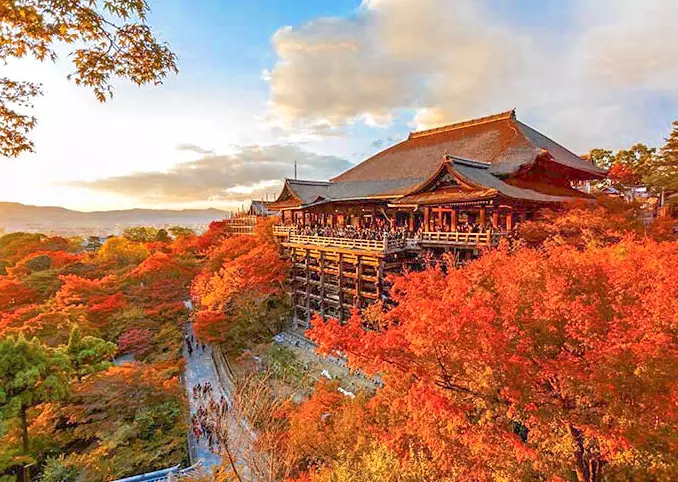
Walk the path for 20-30 minutes, enjoying the quiet. You'll pass cute cafes and small art galleries. This is where you decompress from the morning crowd.
Ginkaku-ji Essentials:
- Address: 2 Ginkakujicho, Sakyo Ward, Kyoto.
- Hours: 8:30 AM to 5:00 PM (Mar-Nov), 9:00 AM to 4:30 PM (Dec-Feb).
- Admission: 500 yen.
- Why it's worth it: Despite its name, it's not silver. It's a stunning example of *wabi-sabi* (austere refinement). The meticulously raked sand garden (the "Sea of Silver Sand") and the moss garden behind it are masterclasses in Japanese landscape design. It feels more intimate and contemplative than Kinkaku-ji (the Golden Pavilion), in my opinion.
Afternoon Adventure at Fushimi Inari Shrine
This is where logistics matter. From Ginkaku-ji, take a bus back to Kyoto Station. Grab a quick lunch in the station's underground mall (ekinaka)—there are great bento shops and ramen counters. Then, board the JR Nara Line local train (not the rapid, which doesn't stop) for a quick 5-minute ride to Inari Station. You're now at the foot of Fushimi Inari Taisha.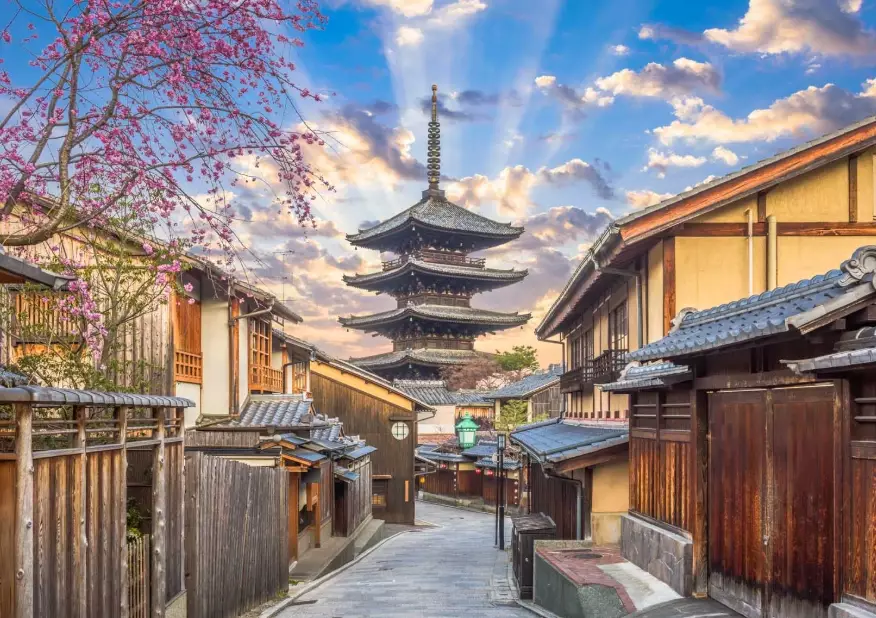
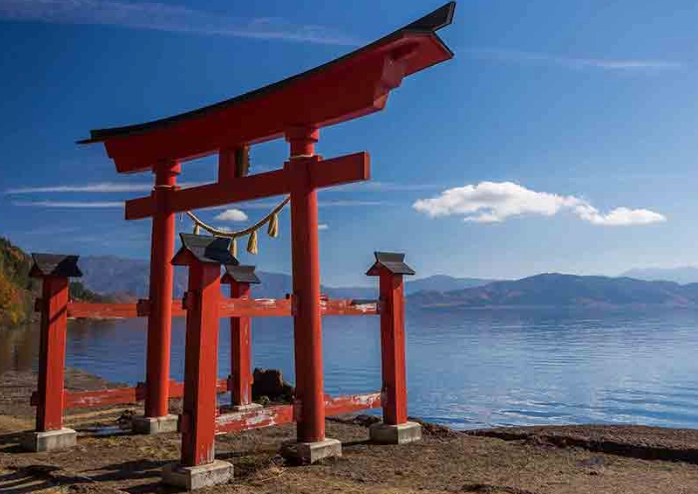
This shrine is famous for its thousands of vibrant vermilion torii gates that form tunnels up the sacred Mount Inari. It's open 24 hours and is free to enter. The crowds are inevitable, but they thin out the higher you go.
The biggest mistake people make is stopping at the first dense section of gates (the photo spot) and turning back. The real experience is the hike. Commit to walking at least 30-40 minutes up. The path splits, offers quieter sub-shrines with stone foxes (the messenger of the god Inari), and gives you a sense of the shrine's immense scale. You don't need to hike to the summit (which takes about 2 hours round-trip), but go beyond the initial crush.
Fushimi Inari Essentials:
- Address: 68 Fukakusa Yabunouchicho, Fushimi Ward, Kyoto.
- Hours: Always open. Shrine offices 9:00 AM-4:30 PM.
- Admission: Free.
- Transport: JR Nara Line to Inari Station (right at the entrance). Keihan Main Line to Fushimi-Inari Station (5-min walk).
Evening Ambiance in Gion & Pontocho Alley
Head back to the Gion-Shijo area by train (Keihan Line from Fushimi-Inari to Gion-Shijo station is direct). As dusk falls, this is the time to wander the atmospheric streets of Gion, Kyoto's famed geisha district. Your goal isn't to stalk geiko or maiko (please don't), but to soak in the ambiance of the wooden machiya houses with their lanterns lit up.
Walk down Shinbashi-dori, often called one of Japan's most beautiful streets, especially when illuminated at night. Then, duck into the narrow, lantern-lit Pontocho Alley, which runs parallel to the Kamogawa River. It's packed with exclusive restaurants and bars, but even just walking its length is an experience.
For dinner, if you haven't booked a fancy kaiseki meal (which requires planning), look for a casual kushikatsu (fried skewer) place, an izakaya, or a ramen shop in the surrounding streets. The area around Kawaramachi-dori is full of options.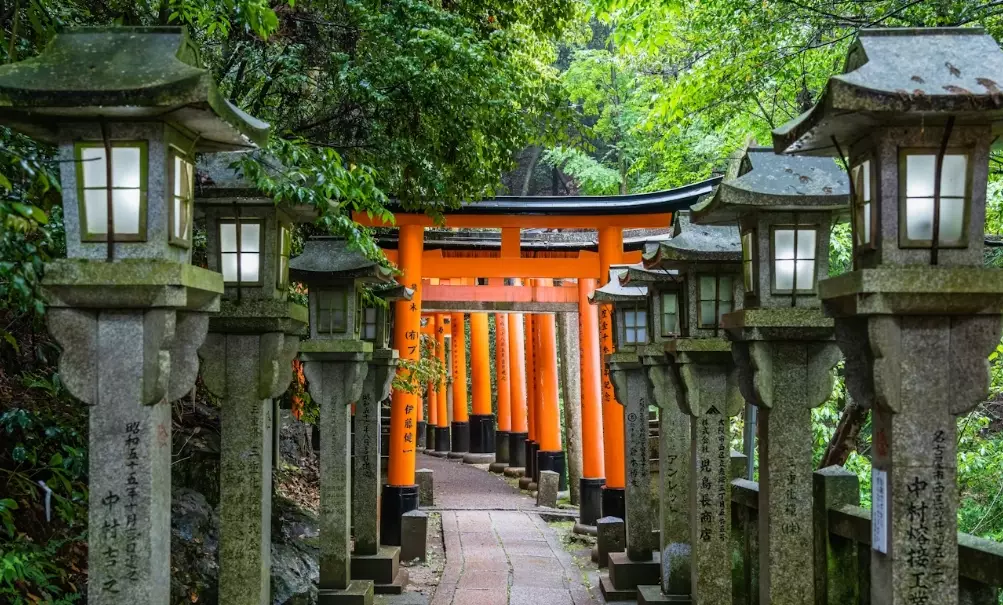
Sample One Day Kyoto Timeline
| Time | Activity | Key Notes |
|---|---|---|
| 7:45 AM | Depart for Kiyomizu-dera | Beat the crowds. |
| 8:30 - 10:00 AM | Explore Kiyomizu-dera | See the stage, Otowa waterfall. |
| 10:00 - 10:45 AM | Walk Sannenzaka/Ninenzaka | Shop, snack, take photos. |
| 11:00 - 12:30 PM | Philosopher's Path & Ginkaku-ji | Tranquil stroll, zen garden. |
| 12:45 - 1:45 PM | Lunch & Travel to Fushimi Inari | Grab bento at Kyoto Station. |
| 2:00 - 3:30 PM | Explore Fushimi Inari Shrine | Hike beyond the first gate tunnel. |
| 4:00 PM onwards | Evening in Gion & Pontocho | Explore, find dinner, soak in atmosphere. |
If You'd Rather Do Something Different
Not everyone wants the classic temple-heavy day. Here are two solid alternative themes, swapping out major chunks of the main itinerary.
Option A: The Golden & Arashiyama Day
Swap the Higashiyama (Kiyomizu/Ginkaku) morning for Kinkaku-ji (金閣寺, the Golden Pavilion). It's stunning, iconic, and relatively quick to visit (you can't enter the building). Then, take a longer train/bus ride to Arashiyama. Walk through the Bamboo Grove (go early or late to avoid worst crowds), visit the quirky Monkey Park Iwatayama (if you have energy for the climb), and enjoy the riverside scenery. You'll sacrifice Fushimi Inari or Gion with this choice.
Option B: Deep Dive Higashiyama & Nishiki
If you love historic streets and food, stay in the Higashiyama/Gion area all day. After Kiyomizu and Sannenzaka, explore Kodai-ji Temple (beautiful gardens), Yasaka Shrine, and Maruyama Park. Then, head to Nishiki Market (closes around 5-6 PM) for a foodie adventure—try fresh seafood skewers, pickles, and matcha sweets. This is a more relaxed, less transit-heavy day.
The Logistical Must-Knows
Getting this right makes or breaks your day.
Transport: Buy an IC card (ICOCA or Suica) as soon as you arrive in Japan. Tap on/off all buses and trains. It's infinitely easier than figuring out single tickets. For buses, board from the back, tap when you get off at the front. The Kyoto City Bus & Subway Map is your friend.
A Kyoto One Day Bus Pass (700 yen) can be worth it, but only if you take 3+ bus rides in a day. With this efficient itinerary focusing on trains for longer distances (to Fushimi Inari), you might only take 2-3 buses. Do the math. I often find the IC card is simpler and costs about the same for this specific plan.
Tickets: No major temples here require advance booking, but purchasing tickets on-site is cash-only.
Footwear: This is a 15,000+ step day with uneven stone paths and hills. Wear the most comfortable walking shoes you own. Blisters are the enemy of a good trip.
Your Kyoto One Day Questions, Answered
Is one day in Kyoto even worth it, or should I skip it?
What's the single biggest time-waster to avoid with only one day?
I'm coming from Osaka/Hotel in Shin-Osaka. Can I still follow this plan?
What if it rains on my one day in Kyoto?
Is the Kyoto Imperial Palace a good one-day alternative?
One day forces you to make choices. This itinerary chooses depth over breadth at a few iconic places, connects them with efficient transport, and builds in moments of quiet between the highlights. It's a sprint, not a marathon, but it's designed to leave you feeling like you truly met Kyoto, not just hurried past it.
Remember, the goal isn't a checklist. It's the feeling of standing on Kiyomizu's stage, the sight of a thousand torii gates winding up a mountain, and the memory of lantern light on a narrow alley at night. That's what you can take home in a single, perfectly planned day.


Comments